
Are you a caregiver? Not because it’s your trade, not that that you went to school for it, or not that you even ever thought you’d be doing it. Sometimes we’re caregivers without even knowing it. In this week’s post we’re going to define the role of a family caregiver.
I was preparing another post about caregivers transitioning out of their role when it occurred to me that we’ve had families who didn’t realize they were caregivers. Of course they knew they were doing things for their mom or dad, but they didn’t realize the extent of the role they were playing. I wanted to answer this question and really take a look at what it means to be a caregiver.
For many families it starts with a scary moment. Maybe dad falls off the ladder trying to trim up the trees in the backyard or you’re visiting your mom and notice yourself wanting to jump up and help her carry the laundry basket and maybe you do. Maybe you’re waiting for your dad to arrive and something just tells you to watch for his car, you find yourself cringe as he narrowly misses your mailbox when he pulls into your drive.
For other families, mom simply asks you to do some chores around her house, the lawn work has just become too much or the laundry is downstairs and she can’t make those stairs safely so you come over once a week to do her laundry.
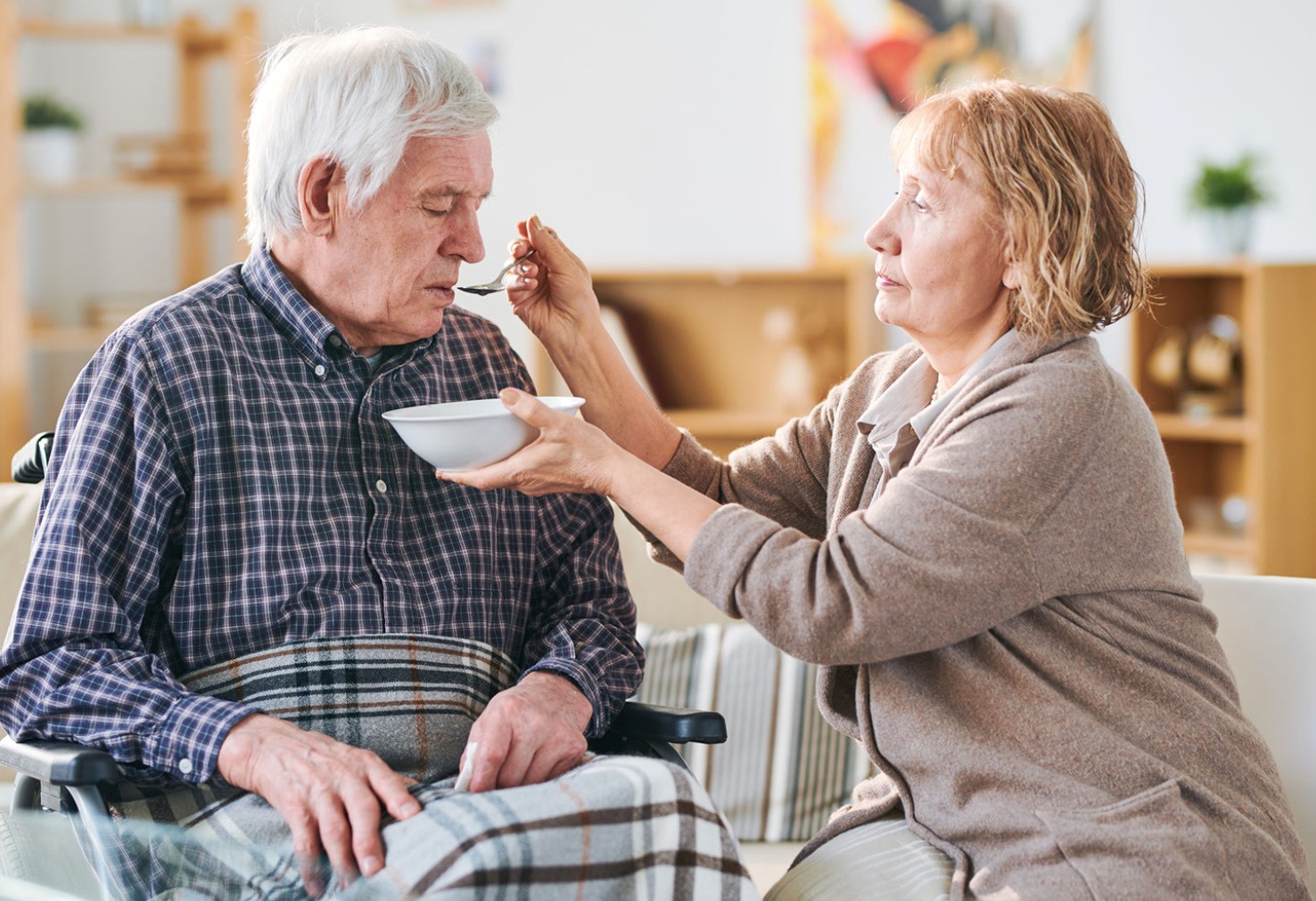
For others it starts with a health scare, a fall or a stroke. Even though in the medical circumstances you may now be pushing a wheelchair, transferring in and out of bed and giving showers, it can still be difficult to see your role as an actual caregiver because you’re just helping your mom. We’ve actually written posts before about guilt which you can find by going back into to our main blog page. I think that’s where the feelings of guilt show up and not wanting to recognize the weight of the role you’re playing as a caregiver.
In many cases, the examples that we’ve talked about are where mom or dad don’t want to leave their home and they’re not able to do the daily activities they used to do but they’re not ready for a professional to come in or to move. Of course that doesn’t mean that you can’t be a caregiver when your loved one does decide to move. There still may be things that they’re asking you to do. For example, maybe they are not comfortable with community staff yet so you are still “helping” your mom with showers. They may even still want to call you at all hours of the day.
Let’s pause here to just point out that the reason most people would prefer you, their son or daughter or friend, to help them is because it doesn’t feel like caregiving. You’re not a professional so you’re “just helping” and that doesn’t feel as serious or make us feel as helpless. It’s also why you might not feel like you’re actually a caregiver. This is why it’s so important to recognize that it’s exactly what you are. We’re going to talk more about why that is. To give better context, here are some clues to look for that indicate you’re not simply helping but in fact the caregiver.
1. If your loved one has any dependency on you. In other words, it’s not just a one time thing but an expectation.
2. If you feel that without you it wouldn’t happen. There are many reasons this could be the case as some seniors don’t want to spend the money for lawn care or housekeeping and so you become the source of that assistance. Or many families find mom and dad are only eating processed foods, easy things like microwave meals or worse they’re not eating much at all and there may not be anything in the refrigerator unless you do the shopping.
So, what if you’re out of town or out of state? Could you still consider yourself a caregiver? Absolutely! You may have just visited for the holidays and found some the things we’ve already mentioned, so now you find yourself making arrangements for food delivery or checking in every day, receiving continuous calls about needing help, feeling lonely, or confused about the time. Of course these examples can also happen if you’re living just down the street.
Do you see yourself in these examples? Here’s why it’s so important to really take a look and see if you are actually a family caregiver.
You may have heard the term self-care. It’s become a buzz word or phrase and for good reason. We often work so hard at our jobs, building our homes, caring for our kids or our parents that we forget to take care of ourselves. You may have also heard of caregiver burnout. We’ve talked about it many times in previous posts and it’s at the burnout point that many families realize that they’ve been a caregiver to their parents.
Don’t forget to take a look at your parents’ relationship. We find that spouses can be really good at hiding just how much caregiving they’re doing for their spouse. We often see spouses taking on that caregiver role and sadly we see the family caregivers or the spouse get sicker than those they’re caring for.
If you realize that you’ve actually been or are a family caregiver, take some time to read about self-care and caregiver burnout and we will have some information in our Doable Download as well. Thanks for reading and hopefully this week’s post has helped you take a look at that caregiver role and get some support if you find that you are experiencing some burn out. Until next time, make it doable.
If you’d like to check out our blog post in podcast form, be sure to take a listen HERE!
Click HERE for our Doable Download
Subscribe to our YouTube page!